-
-
-
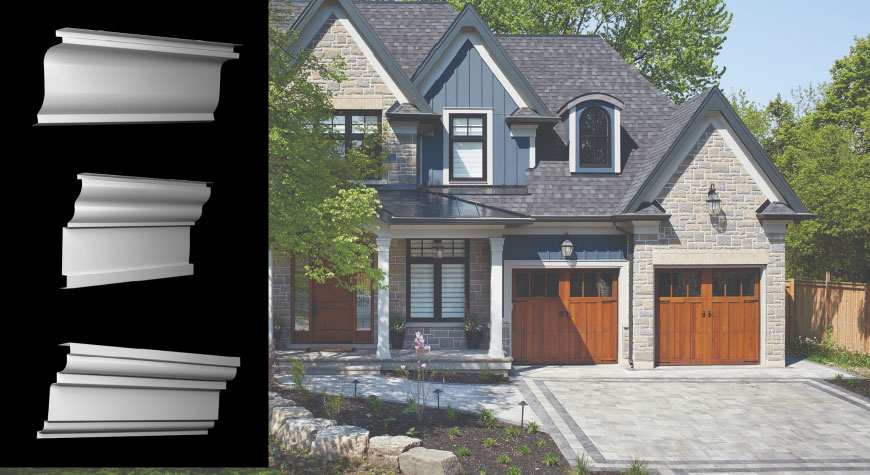 NEW! Curved moulding for today's homes.Whether you need a simple upgrade to your home's curb appeal or you're creating a stunning architectural showcase, Roussel curved moulding is an inspired solution. Our experienced craftsmen use the most advanced technology to turn functional moulding into a stunning design element.
 -
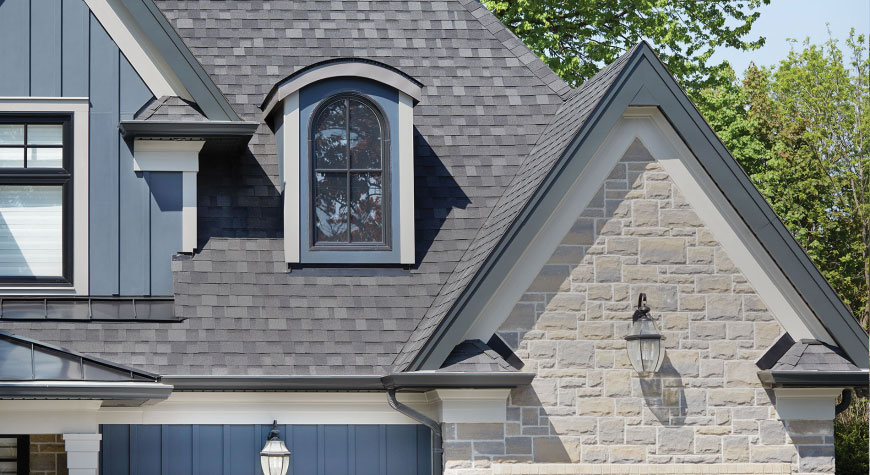 Roussel Eavestrough does more than make eavestroughs.We fabricate and can install, low maintenance siding, soffit, fascia, eaves, custom copper work, shutters, PVC trim, railings, windows, and doors.
 -
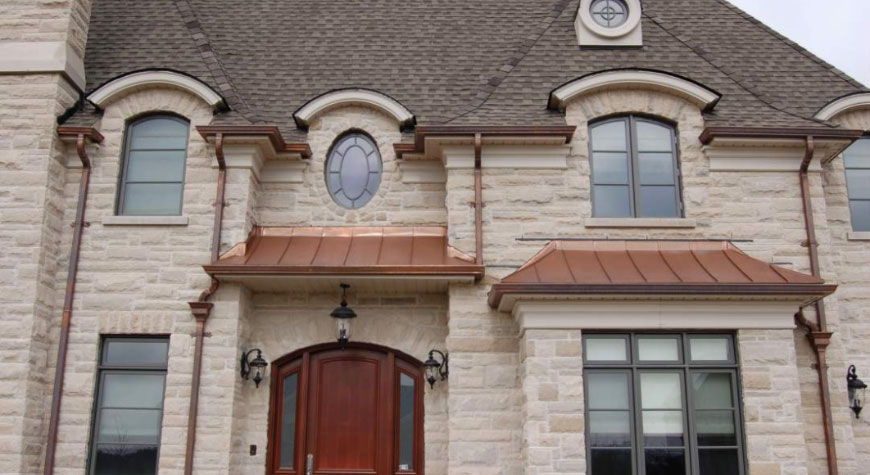 Gallery of award-winning work.Roussel Eavestrough has served the Toronto GTA and surrounding areas for over 50 years. We've helped protect and beautify houses of every age, style, and size: from Victorian renos to the latest designer builds.
 -
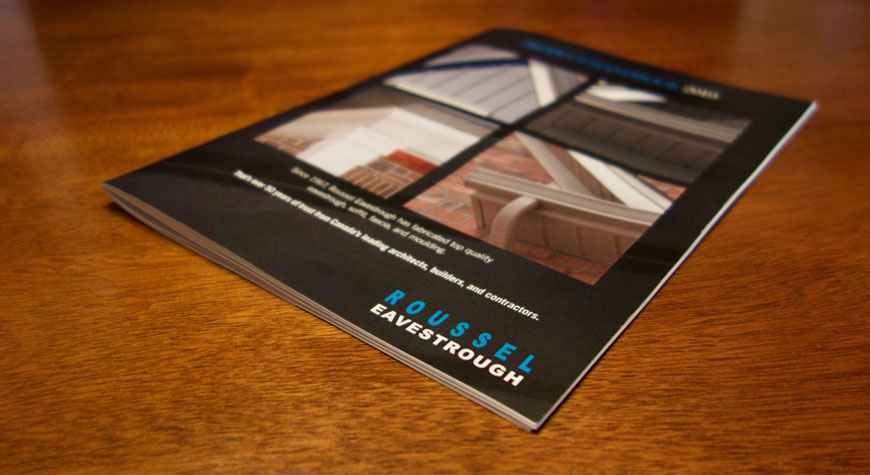 NEW! Planning ToolsThe new Roussel Products and Services Book is a comprehensive listing and description of our exclusive line of eaves, moulding, siding, soffit, fascia, and more.
Downloadable and printable planning forms are now available to help you plan and estimate your next exterior project -
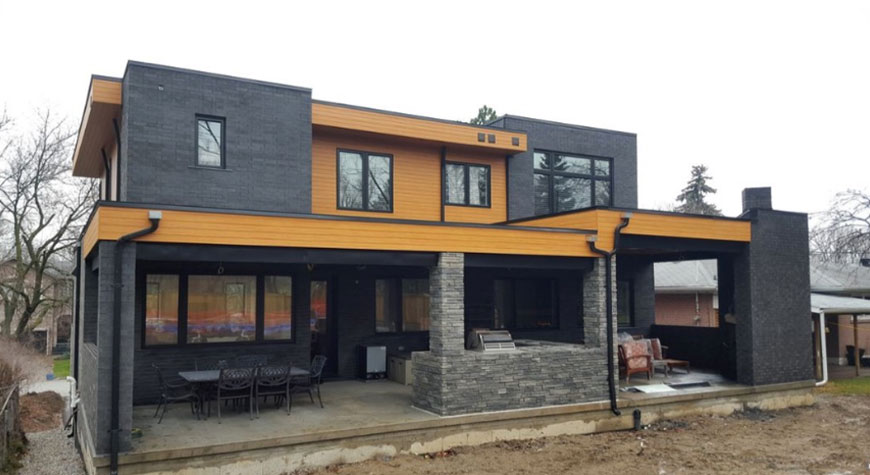 Questions? We've got answers.We've been in business since 1967, so we've been asked a LOT of questions.
 -
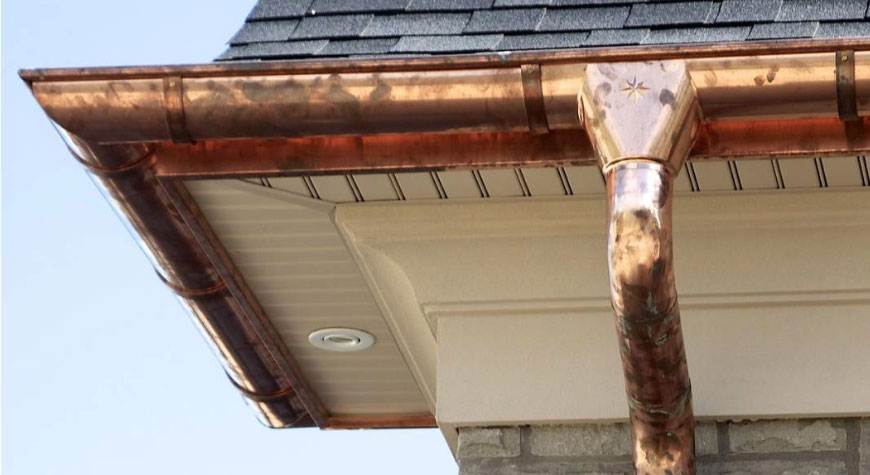 Looking for the best eavestroughs?You've come to the right place. We believe your eaves should be highly functional, low maintenance, and as fresh-looking as the day they were installed.